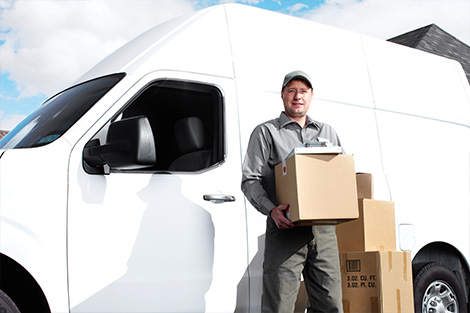
Health & Safety Policy for Tooting Man with Van Services
This policy sets out the commitment of Tooting Man with Van and affiliated teams to maintain safe, compliant operations for man with van and rubbish removal services across our service area. The aim is to protect employees, contractors, customers and the public from harm while delivering reliable clearance, waste collection and transport. Our approach balances practical safeguards with ongoing improvement, ensuring that the rubbish company activity we undertake is managed to the highest reasonable standard.This legal-style policy outlines responsibilities, risk control measures and the core procedures that apply when a man with van in Tooting or nearby locations is engaged to collect, transport or dispose of waste. It applies to all staff, temporary workers and subcontractors working on behalf of the company, and to any vehicle or equipment used in service delivery. The policy is reviewed periodically and updated to reflect operational changes, incident learnings and relevant statutory obligations.

Scope and Application
The policy covers routine rubbish removal, bulky waste collection, light demolition refuse and secure transport of non-hazardous waste across our operating area. It also sets out controls for identifying potentially hazardous materials and the required steps to avoid or escalate handling to trained specialists. The guidance considers the safe operation of vans, manual handling during loading and unloading, vehicle loading limits and the responsibilities for ensuring that loads are secure and compliant with road safety requirements.All personnel must recognise key responsibilities: the employer must provide safe systems of work, suitable equipment and appropriate training; employees must follow instructions, use issued personal protective equipment and report hazards. Supervisors are required to complete pre-shift checks and ensure that each job has an assessed risk profile. Contractors acting as a man and van service on behalf of the company must adhere to the same standards and maintain evidence of competence and insurance.
 A structured risk assessment process identifies common hazards associated with rubbish collection:
- Manual handling and musculoskeletal strain from lifting bulky items
- Vehicle-related risks such as reversing, insufficient load restraint or poor maintenance
- Sharp objects, broken glass and biological contamination
- Traffic and public interface hazards during roadside loading
Operational Controls
Practical controls include the use of lifting aids and two-person lifts for heavy items, the requirement for high-visibility clothing during roadside work, and clear procedures for segregating recyclable materials from general rubbish. Vehicles must be subject to daily checks, with tyres, lights and securing equipment inspected and faults reported immediately. For waste transport, secure load methods are mandatory: straps, nets and covers must be used where appropriate and the load must not exceed vehicle limits.Handling potentially hazardous waste requires additional caution. Materials suspected to be contaminated, asbestos-containing waste, chemical containers or significant quantities of liquids cannot be handled by standard man with van crews and must be escalated to licensed specialists. Staff are trained to recognise hazardous indicators and to isolate and report such items rather than attempting removal. The rubbish collection team will document the job and ensure that any specialist removal follows statutory disposal routes.
 Emergency procedures and incident response are integral parts of this policy. In the event of injury, spill or vehicle incident, staff must secure the area, provide first aid within their competence and notify the appointed manager. Incidents and near misses are recorded and investigated to identify root causes and corrective actions. Fire safety measures, evacuation arrangements and spill kits are maintained on vehicles and at key operational sites where appropriate.
 Training and competence are fundamental. All personnel engaged in man with van operations receive induction training covering manual handling, basic first aid, correct waste segregation and vehicle safety. Refresher training is provided at regular intervals or when procedures change. The company maintains training records and monitors performance through spot checks and periodic audits to ensure the rubbish removal workforce remains competent and confident in safety tasks.
Monitoring, review and continuous improvement underpin our approach. The policy is supported by routine inspections, safety audits and performance metrics. Findings from investigations, customer reports and operational reviews feed into the review process. Where practicable, technology and improved procedures are adopted to reduce risk, increase efficiency and enhance the standard of rubbish collection and man with van services.
Communication and consultation ensure that safety information is shared and that staff can raise concerns without fear of reprisal. Safety briefings occur at the start of shifts, and any significant changes to operational controls or regulations are communicated promptly. The company promotes an environment where staff know they are expected to stop work if an unassessed or unsafe situation arises and to seek guidance before proceeding.
This policy represents the company’s commitment to safe, responsible rubbish removal and man with van operations across the service area. It is a living document designed to be practical and enforceable, emphasising prevention, training and accountability to protect people and property while delivering a reliable clearance service.