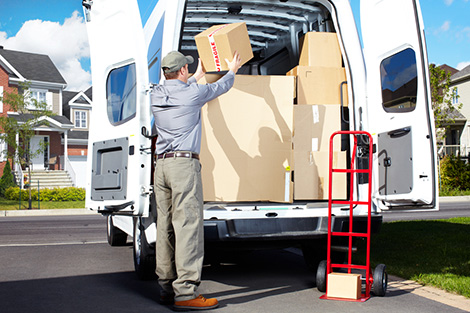
Fridge and Appliance Removal: Responsible, Safe, and Efficient Solutions
Removing large household appliances such as refrigerators, freezers, washers, dryers, and dishwashers requires careful planning, an understanding of environmental rules, and attention to safety. Whether you are clearing out a single unit before a renovation or managing multiple appliances during a property cleanout, professional fridge and appliance removal services can save time, reduce risk, and ensure lawful disposal. This article explains key considerations, disposal pathways, cost factors, environmental impacts, and what to expect when arranging removal.
Why Proper Appliance Removal Matters
Old appliances contain materials that can be hazardous if mishandled, including refrigerants, oils, heavy metals, and electronic components. Improper disposal may lead to environmental contamination, fines, and safety hazards. Prioritizing responsible removal ensures that:
- Hazardous substances are handled and disposed of according to regulations.
- Reusable appliances are evaluated for donation or resale.
- Components such as metal, glass, and plastic are routed for recycling.
- Liability risks associated with transportation and handling are minimized.
Environmental and Community Benefits
Responsible disposal reduces landfill load, prevents release of ozone-depleting substances, and conserves resources through recycling. When appliances are properly decommissioned, refrigerants are captured and treated, metals are reclaimed, and electronic waste is separated for safe processing. These actions support broader sustainability goals and local waste-management efforts.
Common Types of Appliances Removed
Removal services typically handle a wide range of household and light commercial devices. Common items include:
- Refrigerators and freezers (upright, chest, and built-in models)
- Stoves and ovens
- Washing machines and dryers
- Dishwashers
- Microwaves and compact kitchen units
- Air conditioners and dehumidifiers
Each appliance category has distinct disposal needs. For example, refrigerators require specialized refrigerant extraction, while electronic controls from stoves and microwaves fall under e-waste protocols.
Preparation Before Removal
Preparing an appliance for removal streamlines the process and reduces time on site. Important preparation steps include:
- Emptying and cleaning: Remove food, water, and loose items to prevent leakage and odors during transport.
- Securing loose parts such as shelves, racks, and cords.
- Disconnecting utilities if possible, or ensuring access for technicians to shut off water and power safely.
- Assessing access: Note stairs, narrow hallways, and parking restrictions that may affect removal logistics.
While many homeowners choose to complete these tasks themselves, removal crews often provide assistance for heavy lifting and disconnection if needed. Always communicate access challenges up front so crews arrive with the right equipment.
Choosing a Removal Service
Selecting a reputable provider is a critical decision. Look for services that emphasize safety, regulatory compliance, and environmental responsibility. Key attributes to evaluate include:
- Licensing and certifications for handling refrigerants and hazardous materials.
- Clear pricing structures and transparent disposal methods.
- Insurance coverage for property damage and worker safety.
- Recycling partnerships and documented disposal pathways.
Questions to ask providers: How do you handle refrigerant recovery? Do you offer removal from multi-story buildings? Where do you take the materials for recycling or disposal? Answers to these questions reveal a company's operational standards and environmental commitments.
Service Types and Options
Removal companies typically offer several service models:
- Drop-off options for customers who can transport appliances to a recycling center.
- Full-service pickup where the crew disconnects, removes, and transports the appliance.
- Scheduled bulk pickups aligned with municipal collection programs.
- Specialized decommissioning for appliances with refrigerants or complex electronics.
Choose the option that best fits your needs based on budget, accessibility, and environmental priorities.
Costs and Economic Considerations
Pricing varies by region, appliance type, and complexity of removal. Factors influencing cost include:
- Appliance size and weight
- Need for refrigerant recovery or hazardous material handling
- Difficulty of access (stairs, elevators, tight corners)
- Distance to recycling facilities
Some appliances may even carry a small rebate at disposal centers due to their scrap metal value, while others incur added fees for hazardous-material handling. Reviewing a service's pricing breakdown prevents unexpected charges.
Recycling and Disposal Pathways
Once an appliance is collected, it may follow several pathways depending on condition and material composition:
- Repair and resale: Functional units can be refurbished and resold or donated.
- Parts reclamation: Usable components—motors, compressors, and electronic modules—are salvaged.
- Material recycling: Metals, glass, and plastics are separated and forwarded to appropriate recycling streams.
- Hazardous-material processing: Refrigerants and oils are recovered and treated by certified facilities.
Tracking the final destination of removed appliances helps ensure compliance with regulations and supports circular economy objectives.
Donating or Selling Usable Appliances
When appliances are in working order, donation or resale extends their life and benefits the community. Charitable organizations, thrift stores, and nonprofit housing programs often accept functioning appliances that meet safety standards. Before offering items for donation or sale, verify:
- Operational condition and safety features
- Local acceptance criteria and pickup policies
- Documentation regarding age and maintenance history
Note: Some organizations limit acceptance to appliances that are less than a certain number of years old or that meet energy-efficiency standards.
Legal and Regulatory Considerations
Many jurisdictions have strict rules governing appliance disposal, especially for units containing refrigerants. Violations can result in fines or remediation costs. Ensure that the chosen removal route complies with:
- Environmental protection laws related to ozone-depleting substances
- Local waste management and e-waste legislation
- Transport and worker-safety regulations
Working with licensed providers reduces the risk of noncompliance and promotes safe, traceable handling.
Safety Considerations During Removal
Large appliances are heavy and awkward to maneuver. Injuries and property damage can occur when attempts are made without proper equipment or expertise. Key safety practices include:
- Using appropriate lifting equipment and dollies.
- Protecting floors and walls during movement.
- Ensuring electrical and water connections are safely disconnected prior to transport.
Remove only under safe conditions and rely on trained personnel for tasks involving refrigerant handling, compressor removal, or electrical work.
Conclusion: Smart, Sustainable Appliance Removal
Fridge and appliance removal is more than hauling away old equipment. It encompasses environmental responsibility, legal compliance, and safe handling. By selecting knowledgeable providers, preparing appliances appropriately, and understanding disposal pathways, homeowners and property managers can ensure that removal is efficient, safe, and environmentally sound. Whether the objective is to free up space, upgrade to energy-efficient models, or responsibly decommission end-of-life units, a thoughtful approach yields both practical and ecological benefits.